The Future of Graphic Design: Why Human Creativity Still Matters in an AI-Driven World
AI tools are transforming graphic design faster than anyone predicted. But here's the twist: the most successful designers aren't fighting the robots—they're dancing with them.
The Design Revolution Is Already Here
I've been watching the graphic design industry for over a decade, and I can tell you this: we're living through the most dramatic shift since desktop publishing arrived in the 1980s. But unlike previous revolutions that took years to unfold, this AI-powered transformation is happening in months, not decades.
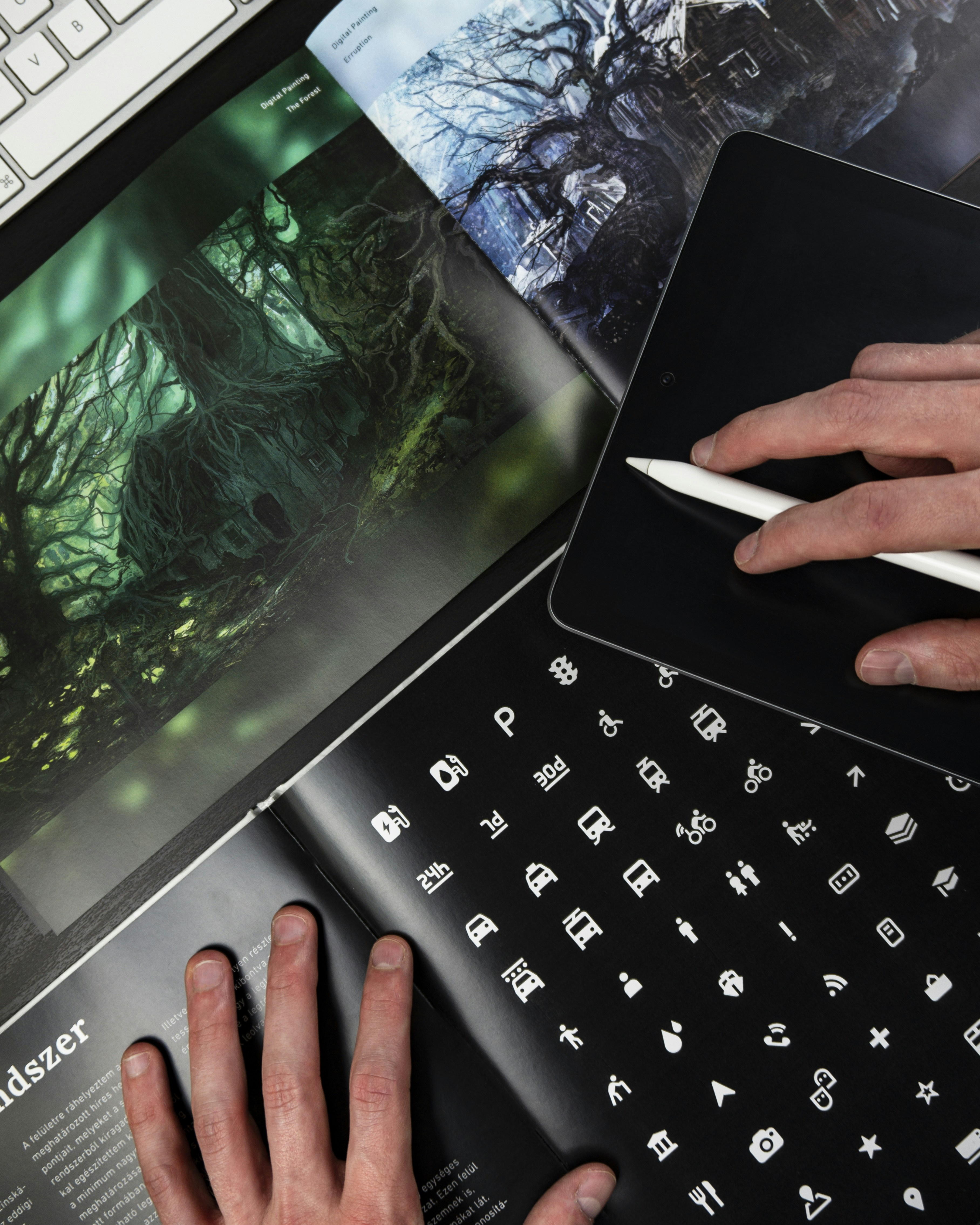
The modern designer's workspace: where human intuition meets artificial intelligence
The numbers tell a compelling story. According to recent industry data, 73% of creative professionals are already using AI tools in their workflow. That's not a future prediction—that's today's reality.
73%of creative professionals now use AI tools regularly
But here's what the statistics don't capture: the human element isn't disappearing. It's evolving.
AI Tools Are Getting Scary Good (And That's Actually Exciting)
Let's be honest about what AI can do right now. Tools like Midjourney, DALL-E, and Adobe's Firefly aren't just creating pretty pictures—they're producing work that would have taken human designers hours to complete.
The Current AI Design Landscape
I've tested dozens of these tools, and some capabilities genuinely surprised me:
Logo generation in seconds, with dozens of variations
Brand identity systems that maintain visual consistency across touchpoints
Layout automation that understands typography and hierarchy
Color palette generation based on mood, industry, or cultural context
Reality Check: I recently watched an AI tool create 50 logo variations for a coffee shop in under two minutes. The quality? Better than what many junior designers could produce in a full day.
Where AI Still Falls Short
But—and this is a crucial but—AI still struggles with the nuanced aspects of design that make work truly memorable:
"AI can create a thousand variations of a logo, but it can't tell you which one will make a 65-year-old grandmother in Kansas feel nostalgic about her childhood bakery."
Sarah Chen, Creative Director at Pentagram
The New Designer Skillset: It's Not What You Think
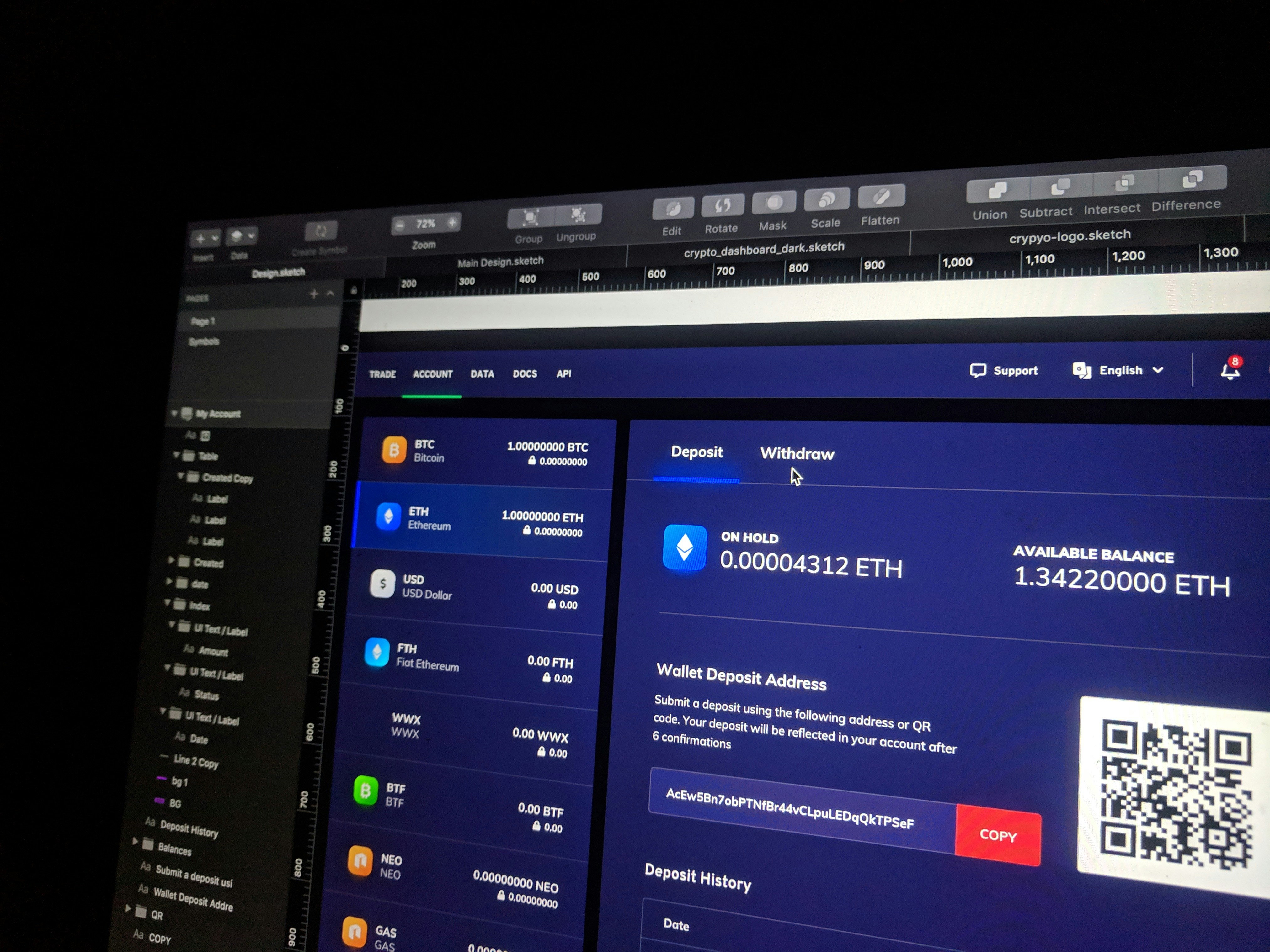
Tomorrow's designers will be part artist, part strategist, part AI whisperer
The designers who'll thrive in the next decade aren't necessarily the ones with the best Photoshop skills. They're the ones who understand how to orchestrate AI tools while maintaining creative vision.
Essential Skills for 2024 and Beyond
Traditional SkillsEmerging AI-Era SkillsWhy It MattersTypographyPrompt EngineeringDirecting AI requires precise communicationColor TheoryAI Tool CurationKnowing which tool fits which jobLayout DesignHuman-AI CollaborationSeamlessly blending AI output with human insightBrand StrategyEthical AI UsageUnderstanding copyright and authenticity issues
The most successful designers I know aren't afraid of AI—they're curious about it. They spend time experimenting, failing, and discovering what these tools can and can't do.
Pro Tip: Start dedicating 30 minutes each week to exploring a new AI design tool. Don't try to master everything at once. Pick one tool, learn it deeply, then move on.
The Human Elements That AI Can't Replicate (Yet)
Here's where I get optimistic about the future of human designers. Despite all the AI advancement, there are still uniquely human aspects of design that machines struggle with.
Cultural Context and Emotional Intelligence
AI can analyze millions of images and identify patterns, but it can't feel the cultural weight of using certain colors in specific contexts. It doesn't understand that red means luck in China but danger in Western cultures—not just intellectually, but emotionally.
Client Relationships and Strategic Thinking
I've never seen an AI tool that can sit in a client meeting, read the room, and pivot a creative direction based on an unspoken concern from the CEO. That kind of emotional intelligence? Still uniquely human.
The Collaboration Factor
The best design work often comes from collaboration—bouncing ideas off teammates, building on each other's concepts, having those "what if we tried..." moments. AI can suggest variations, but it can't brainstorm with genuine creativity.
89%of clients still prefer working directly with human designers for strategic projects
What This Means for Design Education
If you're a design student or considering a career switch, the landscape is shifting under your feet. But that's not necessarily bad news.

Design education is rapidly evolving to include AI literacy alongside traditional creative skills
Design schools are scrambling to update their curricula. The smart ones are teaching AI literacy alongside traditional design principles. Students need to understand both the fundamentals of good design and how to leverage AI tools effectively.
Important: Don't fall into the trap of thinking AI tools are a shortcut to becoming a designer. Understanding design principles is still crucial—AI just amplifies your existing knowledge and skills.
The New Design Career Paths
We're already seeing new job titles emerge:
AI Design Strategist - Experts who understand which AI tools work best for different projects
Human-AI Collaboration Specialist - Designers who excel at blending AI output with human creativity
Ethical AI Designer - Professionals who ensure AI-generated content respects copyright and cultural sensitivities
My Prediction for the Next Five Years
Here's what I think will happen by 2029:
AI will handle the grunt work. Need 50 social media post variations? AI's got it. Want to explore 100 different color schemes? Done in seconds.
Humans will focus on strategy and storytelling. The best designers will become creative directors, using AI as their incredibly fast, incredibly capable junior designer.
The industry will split. We'll see ultra-cheap, AI-generated design services for basic needs, and premium, human-led agencies for complex, strategic work.
"The future belongs to designers who can think like strategists and direct AI like a film director directs actors."
But here's my strongest conviction: human creativity isn't going anywhere. It's just going to become more valuable, more strategic, and more focused on the things that truly matter—connecting with other humans through visual storytelling.
The future of graphic design isn't about humans versus AI. It's about humans with AI, creating work that neither could produce alone. And honestly? I can't wait to see what we build together.